

Digital Marketing Built for Septic Businesses

Digital marketing for septic companies helps contractors attract urgent service calls, promote installations and maintenance, and build trust before a homeowner picks up the phone. The strongest strategy combines local SEO, a conversion-focused website, helpful content, reviews, and fast follow-up so your business appears when Ohio and Pennsylvania customers need dependable septic help.

Septic contractor discussing service options with a homeowner

Why does digital marketing matter for septic companies?

Septic customers rarely search casually. Many are dealing with backups, odors, standing water, slow drains, or a system that has stopped working. Others need an inspection, pumping appointment, repair, or complete replacement. These high-intent searches create an opportunity for a septic company that is visible, credible, and easy to contact.

A strong online presence helps you:

  • Show up when local customers search for immediate help
  • Explain your services before a customer calls
  • Prove reliability through reviews, photos, and clear information
  • Generate leads outside traditional referrals
  • Stay visible between emergency calls and installation projects

For septic contractors in Ohio and Western Pennsylvania, marketing should reflect local conditions, service areas, regulations, and customer concerns. A generic home-service campaign will not always answer the questions septic customers have.

1. Build a website that turns searches into calls

Your website is often the first impression a homeowner has of your company. It should quickly answer three questions: What do you do? Where do you work? How can I reach you now?

Place your phone number prominently on every page. Add a clear request-service button, a short contact form, and an explanation of what happens after someone submits an inquiry. On mobile devices, the phone number should be easy to tap.

Your core service pages may include:

  • Septic tank pumping
  • Septic system inspections
  • Septic repairs
  • New septic system installation
  • Drain field services
  • Emergency septic service

Each page should have original copy, a specific service area, helpful answers, and a clear next step. Avoid putting every service on one crowded page. Separate pages make it easier for customers and search engines to understand your expertise.

A fast, mobile-friendly website also matters because emergency customers may leave a slow page before it loads. Use readable text, compressed images, simple navigation, and forms that require only essential information.

What should a septic company’s website include?

A high-converting septic website should include:

  • A direct headline describing the service and service area
  • Trust signals such as licenses, certifications, insurance, and years in business
  • Before-and-after photos or images of completed work
  • Customer reviews placed near contact options
  • Service-area information for towns and counties you actually serve
  • Frequently asked questions about timing, pricing, maintenance, and inspections

Do not promise a response time you cannot consistently meet. Clear, honest expectations build more trust than an exaggerated emergency claim.

2. Use local SEO to reach nearby homeowners

Local SEO is one of the most valuable parts of digital marketing for septic companies. It helps your business appear in Google Maps, local search results, and service-related queries from people in your area.

Start by claiming and completing your Google Business Profile. Use your real business name, accurate categories, phone number, website, hours, and service area. Add photographs regularly, including trucks, equipment, team members, completed projects, and clean work areas.

Your profile should clearly describe services such as pumping, inspections, repairs, installation, and maintenance. Keep the wording natural instead of repeating the same keyword.

Local SEO checklist

  1. Verify your business information is consistent everywhere online.
  2. Select the most accurate primary and secondary categories.
  3. Add service descriptions and relevant photos.
  4. Ask satisfied customers for honest reviews.
  5. Respond professionally to positive and negative feedback.
  6. Track calls, direction requests, form submissions, and website visits.

Create useful location pages only for communities you genuinely serve. A page for each town can be helpful when it includes local details, real project examples, and accurate service information. Thin pages made by changing only a city name can weaken customer trust and provide little search value.

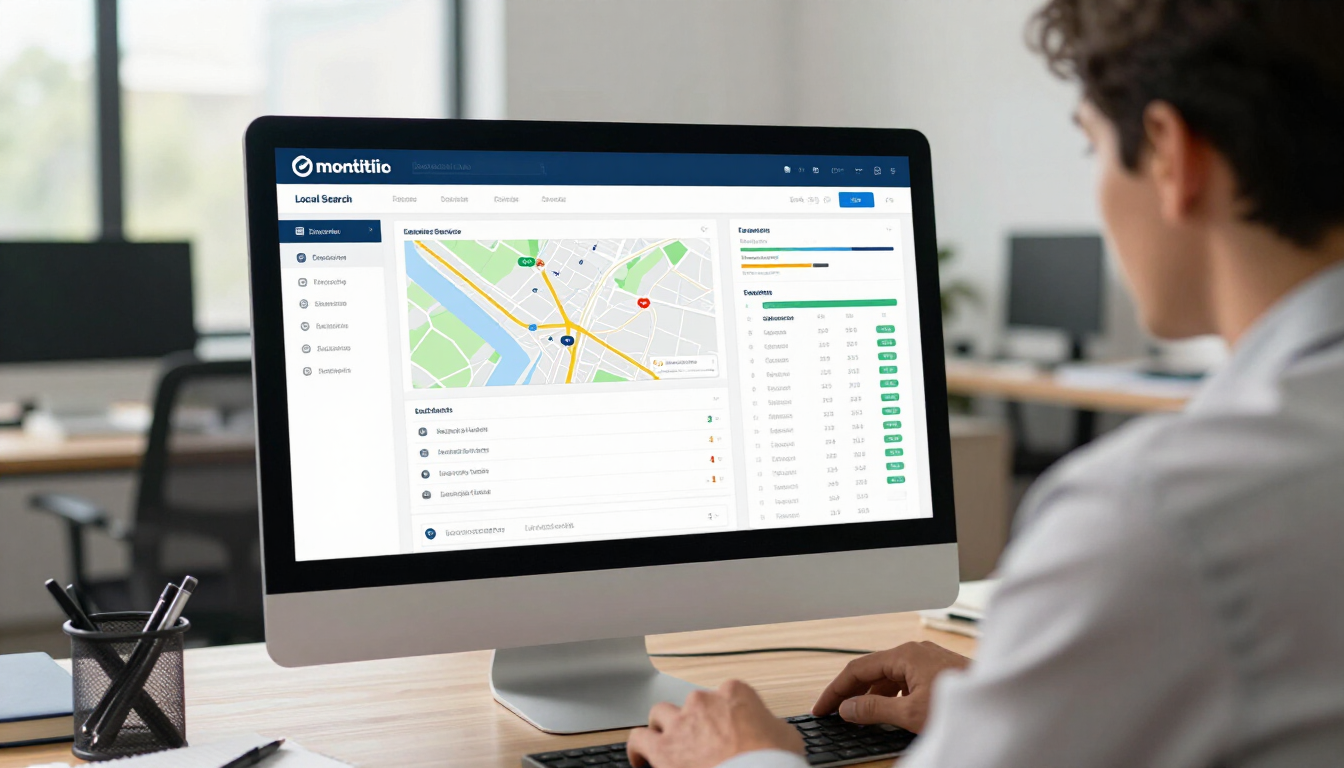
Local search results and lead tracking dashboard for a septic service company

3. Make reviews part of your lead strategy

Septic work is personal and expensive. Homeowners want reassurance that the contractor will arrive when promised, protect the property, explain the problem, and recommend a practical solution. Reviews provide that reassurance before the first conversation.

Ask for feedback shortly after a successful job. Make the process simple by sending a direct review link through email or text. Train your team to request honest feedback from every customer rather than offering incentives that could violate platform policies.

Strong reviews often mention:

  • Prompt arrival
  • Clear communication
  • Fair and transparent pricing
  • Respect for the property
  • Professional workmanship
  • Helpful explanations

Respond to every review. Thank customers for positive comments, and address complaints without arguing or revealing private details. If a review raises a legitimate concern, invite the customer to continue the conversation offline and explain how you are working toward a resolution.

4. Create content that answers urgent questions

Helpful content supports both SEO and customer confidence. It can also answer questions before your team spends time repeating the same explanation on the phone.

Good topics include:

  • How often should a septic tank be pumped?
  • What are the signs of a failing septic system?
  • Can heavy rain affect a septic system?
  • What should homeowners do during a septic backup?
  • How much does a septic inspection involve?
  • What is the difference between pumping and septic cleaning?
  • How can homeowners protect a drain field?

Answer the question directly near the beginning of each article. Then explain warning signs, appropriate next steps, and when professional help is necessary. Avoid giving risky do-it-yourself instructions for sewage, contaminated water, electrical components, or structural system failures.

Use plain language. A homeowner searching during an emergency does not need technical jargon before they understand what to do. Add a visible call button and a service link after helpful sections so readers can move from information to action.

5. Reach high-intent customers with paid search

Organic visibility takes time. Pay-per-click advertising can put your septic company in front of people searching for help today. It works best when campaigns are tightly organized around service and location.

Create separate campaigns or ad groups for terms such as emergency septic service, septic pumping, septic repair, and septic inspection. Send each ad to the most relevant landing page instead of your homepage.

Your ads should communicate:

  • The service you provide
  • The communities or region you serve
  • A credible benefit, such as clear estimates or experienced technicians
  • A direct call-to-action

Track phone calls and form submissions, not just clicks. A campaign that generates inexpensive traffic but no qualified conversations is not performing well. Review search terms regularly and exclude unrelated searches that consume budget.

Paid advertising should complement, not replace, a reliable website, strong reviews, and accurate local listings. Otherwise, you may pay to send potential customers to an experience that does not convert.

6. Follow up quickly and consistently

Lead generation is only half of the marketing process. A fast, professional response can determine whether a customer chooses your company or calls the next listing.

Set a process for calls, forms, texts, and messages. Decide who responds during business hours and what happens after hours. If you cannot answer immediately, use a clear voicemail and return calls as soon as possible.

Ask useful qualifying questions without making the customer repeat their entire story. For example, learn the location, symptoms, urgency, property type, and service requested. Then explain the next step, expected timing, and any information the customer should prepare.

Follow-up also matters for estimates, inspections, and maintenance reminders. A polite message can recover opportunities that were delayed because the homeowner was comparing options or waiting for another decision-maker.

7. Measure the leads that actually become jobs

Marketing decisions should be based on business outcomes. Monitor where inquiries come from and which services produce profitable work.

Useful measurements include:

  • Qualified calls by source
  • Form submissions by service page
  • Cost per booked job
  • Conversion rate from inquiry to appointment
  • Revenue by campaign or channel

Ask every new customer how they found you, and compare those answers with call tracking and website analytics. Look for patterns by season, location, service type, and urgency.

For example, spring may increase inspection and pumping demand, while heavy rain may create more emergency calls. This information can guide advertising budgets, staffing, content, and follow-up procedures.

A practical growth plan for Ohio and Pennsylvania septic contractors

Start with the foundation rather than trying every channel at once:

  1. Improve your website’s service pages, mobile experience, and contact options.
  2. Complete and maintain your Google Business Profile.
  3. Build a consistent review request process.
  4. Publish answers to the questions customers ask most often.
  5. Add carefully targeted paid search after tracking is ready.
  6. Review lead quality and booked jobs every month.

Final takeaways

Digital marketing for septic companies works when it matches the customer’s situation: urgent, local, and trust-sensitive. Make your website easy to use, appear accurately in local search, collect genuine reviews, answer practical questions, and respond quickly to every inquiry. For septic contractors serving Ohio and Pennsylvania, the next step is to evaluate your current visibility and lead process. Fix the biggest conversion problem first, measure the results, and then expand the channels that produce qualified jobs—not just clicks.

Share this article

Recent Posts

EZ Construction Websites & Marketing

Google reviews helping a local service business win more jobs
September 28, 2026
Learn why Google reviews matter more than ever for excavation, landscaping, and septic businesses—and how to earn more reviews that build trust and win local jobs.

Construction marketing agency reviewing digital strategy with a contractor
By Cheryl Anderson • September 27, 2026
How to choose the right construction marketing agency, compare services, evaluate results, and find a partner to help your company win more qualified leads

A professional contractor discussing a project with a client on a job site.
May 15, 2026
Learn how to turn marketing leads into sales for your construction, excavation, or landscaping business. Fix slow response times and build trust today.

Digital map showing local SEO targeting for construction businesses
By Cheryl Anderson • May 9, 2026
Boost your construction business visibility with our 2026 guide on SEO location pages PIttsburgh, PA & Youngstown, OH
Construction marketing services ohio PA sales force online
By Cheryl Anderson • February 11, 2026
Enhance your construction website with 3 key pages: Project, Service, & What to Expect. Turn your site into a sales engine today!

construction and kitchen and bath remodeling
By Cheryl Anderson • December 17, 2025
Get custom websites for construction businesses. Boost your online presence with our expert strategies. Contact us today!

Cost-Effective Marketing for construction and home improvement companies. Local SEo marketing.
By Cheryl Anderson • November 19, 2025
Get custom websites for construction businesses. Boost your online presence today with budget-friendly solutions!

Man with a beard in a yellow sweater, looking at a smartphone, seated at a table with a laptop.
By Cheryl Anderson • November 10, 2025
Learn why social marketing is vital for your construction business. Boost brand awareness & engagement today!

Person wearing a plaid shirt and USA cap types on a laptop at a workbench with tools and sketches.
By Cheryl Anderson • November 6, 2025
Get 4 essential tips for construction marketing success. Build a professional website & boost your social media presence today!

Close-up of a brass balance scale on a desk beside a judge’s gavel and black folder.
By Cheryl Anderson • July 11, 2024
Learn key legal requirements for your website, including data security & accessibility. Ensure compliance today!
Show More